
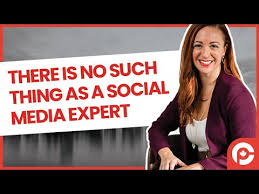
Tessa opens this conversation with a line that most people in her industry would never say out loud. There is no such thing as a social media expert.
That's a strange thing to hear from the CEO of a social media agency. It's also the most honest framing of the space I've come across. Social media doesn't have experts because social media doesn't stay still long enough to produce them. The platforms shift. The algorithms change. The audience behaviours evolve. Anyone who tells you they have it fully figured out is describing a version of the industry that already stopped being true.
What Tessa is describing instead is something more durable than expertise. It's the capacity to adapt faster than the platforms change. To run experiments, read signals, and pivot without waiting for a playbook that's already out of date. That's the operating principle behind Marr Media Group and it's the thread that runs through this entire conversation.
The Canada's Podcast interview covers Tessa's background and how the agency was built, but the more useful part is the thinking underneath it. Specifically, how she frames what social media actually asks of a business before a single post goes live. Not which platforms to use. Not what to post. The upstream question: what is social media supposed to do for this business, and is the current approach doing that?
Most brands skip that question. They move straight to execution. They hire someone, or an agency, give them a brief about content volume and aesthetic, and wait for results that nobody actually defined. The work gets done. The account stays active. The numbers look fine on a dashboard. The revenue connection stays unclear.
The DTC and B2C pivot Tessa talks about is rooted in exactly this kind of thinking. She moved the agency away from B2B and into consumer brands because that's where social commerce is doing real work. DTC brands live and die by their ability to build community, earn trust, and convert attention into purchases at speed. Social media isn't a secondary channel for those brands. It's often the primary growth engine. That context demands a different level of precision than a brand awareness play. Every piece of content has a job. The margin for vague or unfocused output is thin.
The operational model Tessa runs is worth understanding too. Marr Media Group is fully remote, built that way from the start. The conversation touches on what it takes to manage a creative team without a physical office, and why she thinks the flexible, remote format produces better work than a traditional agency structure. The argument isn't about lifestyle. It's about agility. A remote creative team that's built for fast iteration can out-execute a larger, slower agency that's optimising for process and overhead rather than output quality.
The whole-human piece runs underneath all of it. Running a remote creative team means managing people who don't have a physical separation between work and life. Tessa is direct about the fact that the agency's performance depends on the team's wellbeing.
That's not a soft consideration. It's a business one. A burnt-out creative team produces safe, predictable content. That's exactly what consumer brands don't need from their social media.
There's a section of the interview that deals with the in-house versus outsourced question. Should a brand build an internal social team or bring in a specialist agency? Tessa's answer isn't what you'd expect from an agency owner. She frames it honestly. The right answer depends on what the brand actually needs. An agency that lives inside consumer social trends every day brings something an in-house hire typically can't: exposure across dozens of accounts, real-time pattern recognition, and the ability to test and learn at a pace a single internal team rarely matches. But only if the agency is genuinely plugged into the brand rather than managing it at arm's length.
That framing, the agency as an agile execution arm rather than a vendor, is what the conversation keeps returning to. Social media done well isn't a service you buy. It's a function you integrate.
Related Articles

.webp)
This guide is a step-by-step blueprint for consumer product brands looking to turn their happiest customers into powerful brand affiliates. By leveraging social media, brands can create a cost-effective, high-converting affiliate program that generates organic word-of-mouth marketing.



.jpg)