
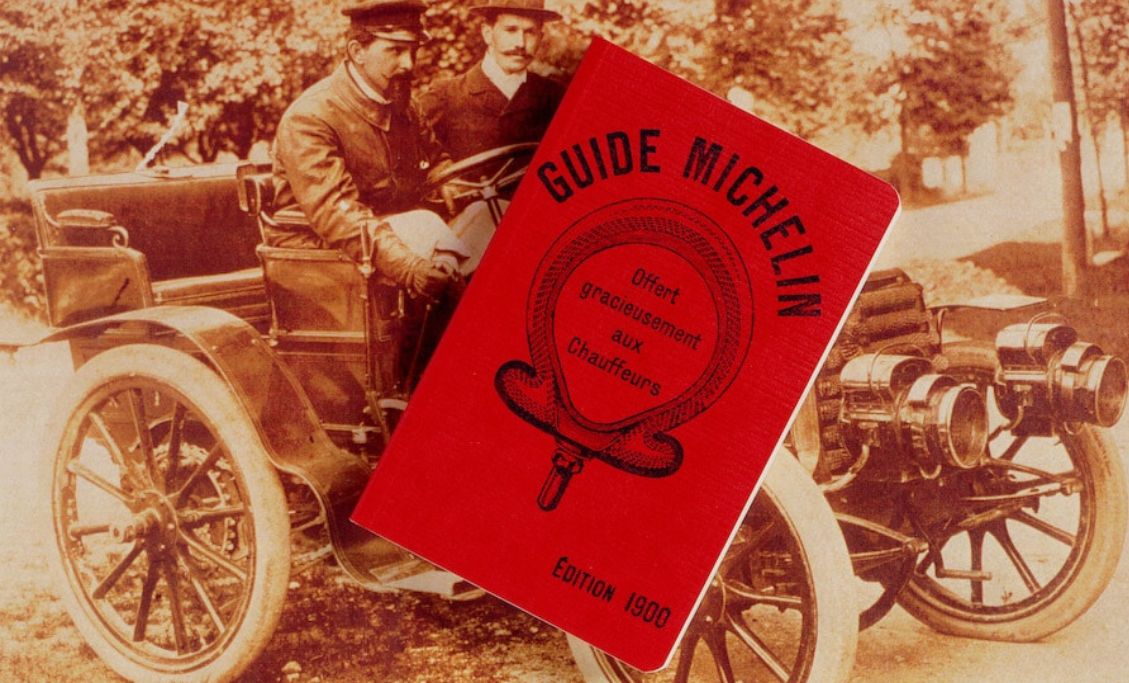
Sometimes the best move for your brand isn't selling to your audience. It's giving them an experience they'll never forget.
That sounds like a nice idea to put on a poster, but there's a real brand that built its entire legacy on it, and it has nothing to do with what you'd expect.
Michelin stars. You know them and love them. The gold standard for restaurants, the thing every chef dreams about, the rating that can make or break a place. BUT not everybody knows that Michelin stars come from Michelin, the tire company.
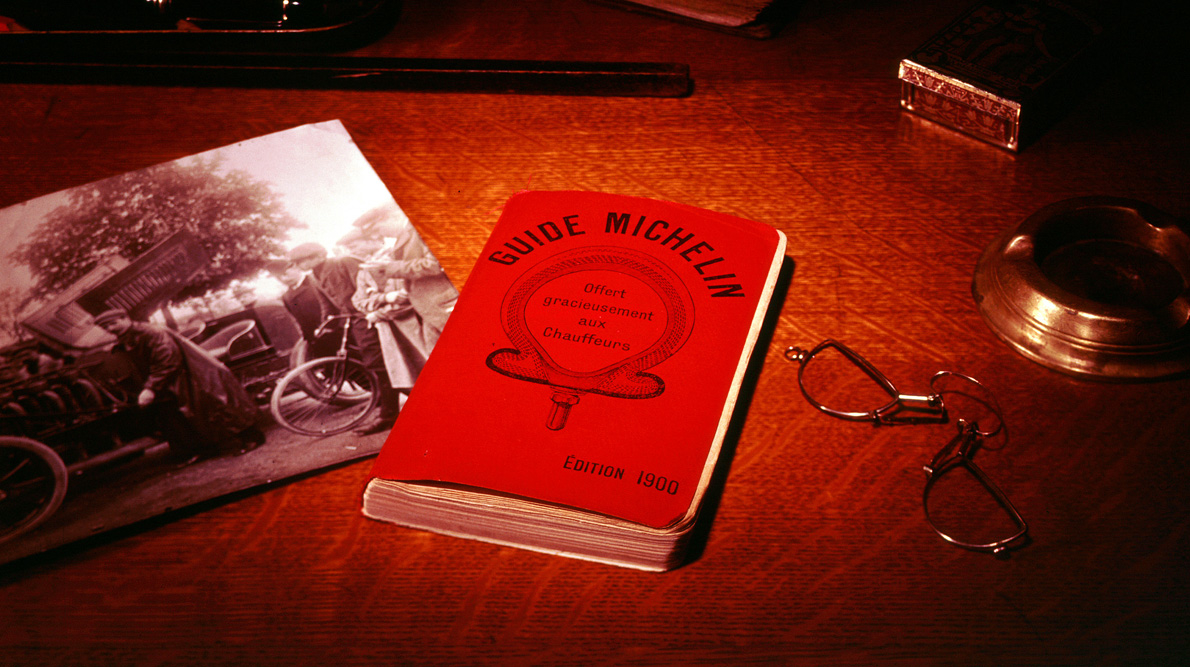
Back in 1900, Michelin printed a free guide (emphasis on FREE!) for French drivers. It wasn't an ad for their tires. It was a guide to gas stations, mechanics, and restaurants worth driving out of your way for. That's it. No mention of tires AT ALL.
Why would a tire company spend money telling people where to eat? Because more road trips meant more worn tires, and more worn tires meant more tires sold. They weren't selling tires in the guide. They were giving people a reason to drive.
That was their whole move, and it worked so well that the side project outlived the original business plan by over a century. People don't think of tires when they hear Michelin star anymore. They think trust, excellence, and an experience worth chasing (even if sometimes it's underwhelming).
There's a lesson underneath the story, and it's one I want to highlight. Every post, every campaign, every partnership is secretly angling for something, asking for something back, trying to sell the audience on something, and they can feel it, even when it's dressed up nicely. Michelin flipped that. They gave something real with nothing attached, and let the goodwill do the work over time. Yes, the tires were going to wear out eventually, but remember, they weren't selling tires. Someone could have gone anywhere else to get their tires changed.
Being selfless with your brand, giving your audience something with no strings attached, is what turns an audience into loyal customers.
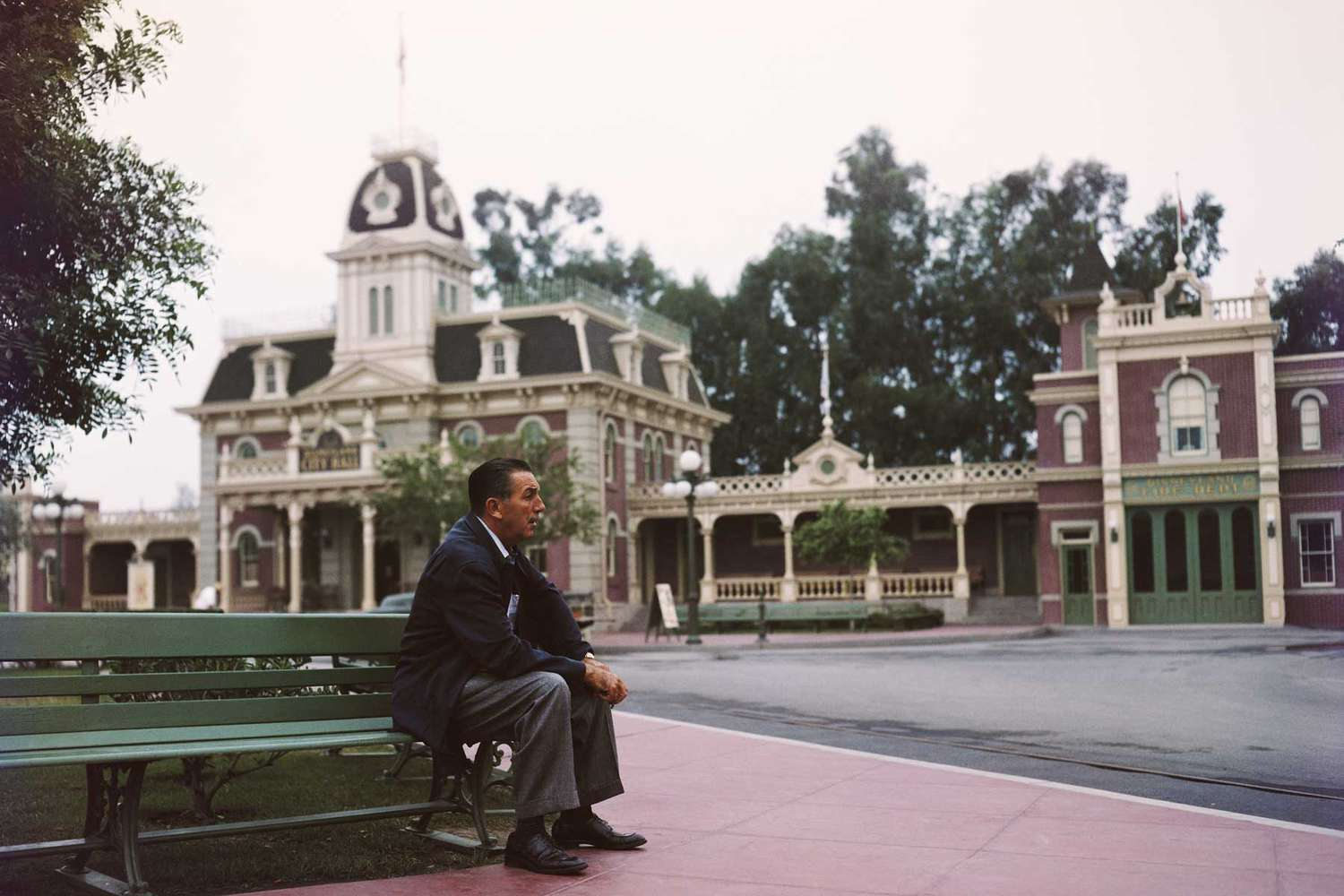
You can see the same instinct at a much bigger scale with Disney. Walt Disney didn't just want to sell animation and movie tickets. He wanted to build an entire world people could step into and lose themselves in. Disneyland wasn't just a park. It was a place designed so people could experience for hours what his movies felt like. You were just there, living inside something bigger.
That's the same principle as Michelin's guide, just at a much larger scale. Both brands stopped thinking about their product for a second and started thinking about the life their audience actually wanted to live. They built something that fit into that life instead of asking people to rearrange their life around the brand.
That's the shift in mindset that I think a lot of brands need to make. So many brands build content and campaigns and ask the audience to come to them, to care about the brand's world, the brand's launch, the brand's news. And that works sometimes, but it usually happens when there's a celebrity or a big influencer attached to it. The brands people actually stay loyal to are doing the opposite. They asked what world the audience already wanted to be part of, and they found their place inside of it.
To be clear, this isn't charity. Michelin knew exactly what they were doing, and so did Disney. There's always a bigger-picture strategy underneath the generosity, but how you do it matters. Give first, genuinely, without attaching it to a pitch, and let the business result follow later instead of leading with it.
If you're thinking about your next big brand move, don't start with what you want to sell. Start with what your audience's life already looks like, and find the honest way your brand fits into it.
Ask yourself one question: what does my customer already want to do, that my product just happens to make better?
Then give them that thing. For free, properly, with no strings attached! Here are a few examples:
Notice none of that mentions your product. As I said, Michelin never promoted their tires in the guide. They wrote about where to eat, and the road trip did the rest. People got motivated to drive, and that wore out their tires. And in their minds, that meant Michelin.
Don't give people a reason to buy. Give them a reason to use.
And if you do it well enough, I can guarantee they'll tell someone else. That's exactly what happened with the Michelin stars. Now people go out of their way to eat at restaurants with a Michelin star, and they brag about it. It's marketing at its finest, not just for Michelin, but for the restaurant too!
That's all from me, folks! Thanks for coming to my TED Talk.
Related Articles
.webp)
This guide is a step-by-step blueprint for consumer product brands looking to turn their happiest customers into powerful brand affiliates. By leveraging social media, brands can create a cost-effective, high-converting affiliate program that generates organic word-of-mouth marketing.



.jpg)