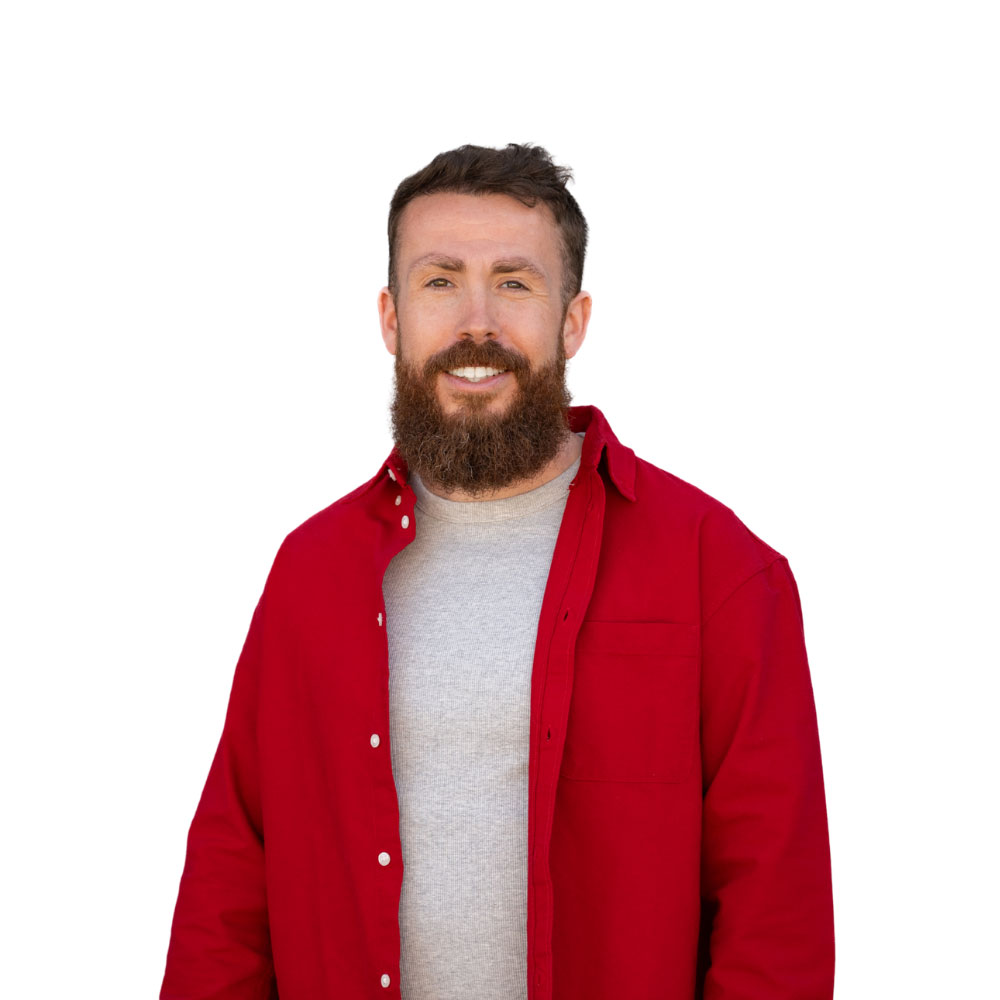
Natasha didn't plan to end up back in agency life. She built and ran her own full-service agency for six years, sold it, and fully intended to leave the industry behind. Then she met Tessa on LinkedIn. This conversation picks up somewhere in the middle of what came next.
The DoneMaker podcast episode covers a lot of ground. Natasha's background in insurance sales and how that shaped the way she thinks about client relationships. The cultural differences she noticed between selling in Australia and selling in North America. But the parts worth paying close attention to are the ones about how the agency actually runs and what it cost to figure that out.
The EOS section is the most practically useful. Natasha talks about what implementing the Entrepreneurial Operating System actually looked like inside a growing agency, when it makes sense to bring it in, and what changes when you do. The honest answer is that EOS doesn't fix a chaotic agency. It gives a disciplined team a better operating structure. If the team and the culture aren't there yet, the system doesn't hold. The episode is specific about what has to be in place first.
There's a section on running an agency "fast and loose" and the lessons that came from it. Most agency owners know this mode. You take the work, figure out the delivery as you go, build the process after the fact. It works until it doesn't. Natasha talks about what breaks first and what it takes to rebuild on a more solid foundation. That's not a theoretical conversation. It comes from having done it.
The leadership philosophy she describes is worth noting. She calls it leading from beside rather than from the front. The distinction is about how you show up for a team, not just what you ask of them. It connects to how she thinks about hiring and firing, which she frames directly around core values. Not skills, not output alone. Whether someone fits the values the agency is built on. That decision gets harder when the person is a top performer. The episode goes into that specifically.
The AI section is the one that stands out most for where the industry is right now. Natasha's position is clear: Marr Media Group doesn't use AI for creative execution. The reasoning isn't anti-technology. It's about what clients are actually paying for. The human element in creative work, the judgment, the taste, the ability to read a brand and produce something that feels genuine, is the product. Automating that layer doesn't make the product faster. It makes it something else.
The personal thread runs through all of it. Natasha is a mother of two running a demanding role inside a growing agency. She talks about balancing that honestly, including the regrets and the reflections on what she'd do differently. That part of the conversation is uncommon in business podcasts because it doesn't resolve neatly. It's worth hearing for that reason.
Related Articles



.webp)
This guide is a step-by-step blueprint for consumer product brands looking to turn their happiest customers into powerful brand affiliates. By leveraging social media, brands can create a cost-effective, high-converting affiliate program that generates organic word-of-mouth marketing.